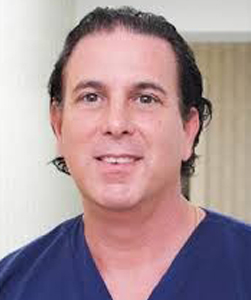
Dr. Ron Bakal, MD
Urologist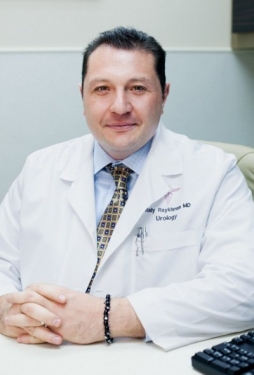
About Dr. Ron Bakal
Dr. Bakal is a board certified urologist trained at Albert Einstein Hospital in General Urology. He was born in Israel and fluent in Hebrew. Dr. Bakal is currently affiliated with major medical centers including NYU medical center, Beth Israel Medical Center and Gramercy Surgery center. He is an advocate of minimally invasive surgery as well as holistic care for diseases such as chronic prostatitis, pelvic pain and interstitial cystitis. Dr. Bakal is a member of the American Urologic Association and the Society of Endourology.
Languages
English, Hebrew, Russian, Spanish
Services & procedures 13
Background & credentials
Education & training
Medical School - Rutgers, The State University of New Jersey Albert Einstein College of Medicine of Yeshiva University, Montefiore Medical Center (Residency) Boston University (Master’s) Brandeis University (Bachelor’s)
Board certifications
American Board of Urology
Memberships & affiliations
American Urological Association
Awards & publications
Bakal, R.S., Wright, L.: Postnatal neuron death in the nodose ganglion of the rat. Developmental Neuroscience., 15:22-26,1993 Bakal, R.S., Melman A.: Scrotal island flap urethroplasy in the management of anterior urethral strictures- pending publication Bakal, R.S., Melman, A., Davies K.P.: The successful long-term treatment of age-related erectile dysfunction with hSlo CDNA in rats in-vivo. Journal of Urology pg.285-290 July, 2003. Bakal, R.S., Melman A.: Intracoporal injection of hSlo cDNA restores erectile capacity in STZ-diabetic F-344 rats in vivo. Am J Physiol Heart Circ Physiol 287:H1544-H1553, 2004 Sato, Y, Rehman J, Bakal R, Melman A, and Christ J. The intracavernous pressure (ICP) response to electrical stimulation of the medial preoptic area (MPOA), but not the cavernous nerve is altered in older animals (Abstract). J Urol 161, Suppl: 853A, 1999
Share your experience
Every review is checked by our moderators before it appears — never write personal health details.
A free account keeps reviews honest and lets our moderators reach you if they have a question.