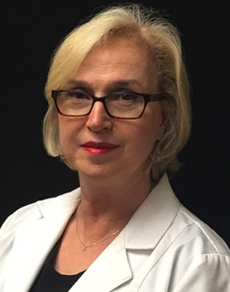
Dr. Julia Yacoob, PhD
Psychologist
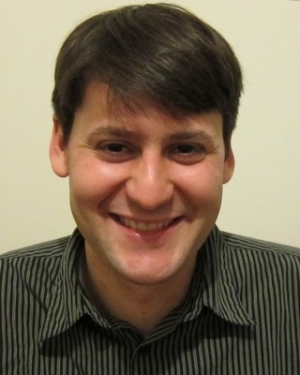

About Dr. Julia Yacoob
Dr. Yacoob is a Cornell trained clinical psychologist in Manhattan specializing in cognitive behavioral therapy (CBT) for adults and adolescents coping with a variety of symptoms and life stressors, including anxiety and mood disorders as well as relationship and work stressors. She also has expertise in working with patients who are coping with chronic and acute medical conditions, having completed advanced training in behavioral medicine and psycho-oncology at such facilities as Weill Cornell Medical College, Memorial Sloan-Kettering Cancer Center, the Institute for Behavior Therapy, and Bellevue Hospital Cancer Center. Dr. Yacoob offers a warm, empathic, and collaborative approach to help individuals achieve their goals within a reasonable time frame. She often draws from schema, psychodynamic, meaning-based and mindfulness-based therapies to create a personalized program of treatment to best meet the needs of each individual. Dr. Yacoob supervises advanced doctoral candidates in her academic roles as a Visiting Scholar and Clinical Supervisor at Columbia University and as an Adjunct Clinical Supervisor at Yeshiva University. She is the recipient of a National Research Service Award, a prestigious fellowship from the National Institute of Mental Health that funded her research on anxiety in cardiovascular disease. Dr. Yacoob has authored numerous peer-reviewed publications on a variety of topics related to health psychology and the neurobiology of mental illness, and she is the main author of chapters in widely adopted books such as the Handbook of Health Psychology and the Encyclopedia of the Life Course and Human Development.
Languages
English
Services & procedures 18
Background & credentials
Education & training
Rutgers, The State University of New Jersey, PhD in Clinical Psychology Rutgers, The State University of New Jersey, Master’s in Clinical Psychology New York University (Bachelor’s)
Memberships & affiliations
NYC Cognitive Behavioral Therapy Association New York State Psychological Association
Awards & publications
Honorarium for Invited Workshop: Treating Health, Anxiety Center for Anxiety, New York, NY, 2013 Ruth L. Kirschstein National Research Service Award, National Institute of Mental Health, July 2010 Graduate School Excellence Fellowship, Rutgers University, 2006 Travel Award, Rutgers University, 2007 Founder's Day Honors Scholar, New York University, 2004 Psi Chi: Psychology National Honors, New York University, 2004 Psychosocial factors in coronary disease. In: Handbook of Health Psychology, Second Edition. Edited by Andrew S. Baum, Tracey A. Revenson, and Jerome E. Singer. Psychology Press: London, U.K. December 14, 2011 Depressive symptoms, trait aggression, and cardiovascular reactivity to a laboratory stressor. Annals of Behavioral Medicine. May 2010 A health psychology perspective of stress in schizophrenia. Reply to Scorza and colleagues (2009). Psychiatry Research. January 2009 Cardiovascular disease. In: Encyclopedia of the Life Course and Human Development, edited by Deborah Carr and colleagues. Gale Cengage: Farmington Hills, Michigan. November 10, 2008 Gray matter structural alterations in obsessive-compulsive disorder: relationship to neuropsychological functions. Psychiatry Research. November 30, 2008 Patterns of stress in schizophrenia. Psychiatry Research. July 15, 2008 Clinical and neuropsychological correlates of white matter abnormalities in recent onset schizophrenia. Neuropsychopharmacology. April 2008 DISC1 is associated with prefrontal cortical gray matter and positive symptoms in schizophrenia. Biological Psychology. September 2008 Anterior cingulate grey-matter deficits and cannabis use in first-episode schizophrenia. British Journal of Psychiatry. March 2007 Increased stress and smaller anterior hippocampal volume. Neuroreport. November 27, 2006
Share your experience
Every review is checked by our moderators before it appears — never write personal health details.
A free account keeps reviews honest and lets our moderators reach you if they have a question.